When Is the Best Time to Visit Kenya?
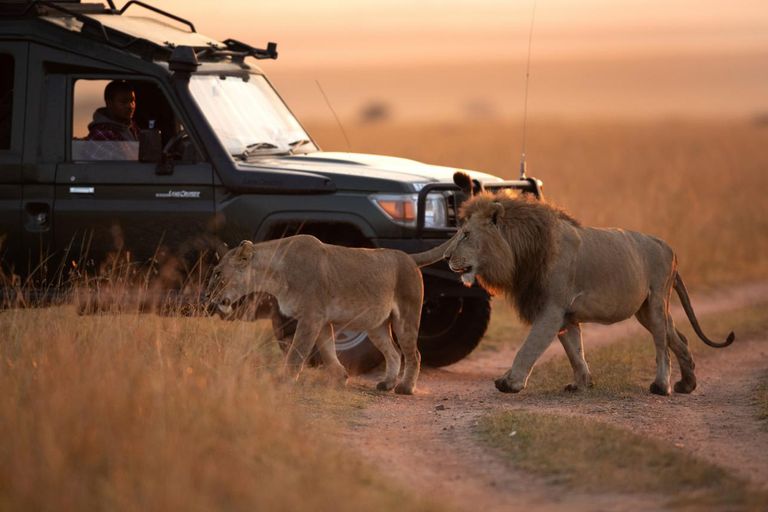
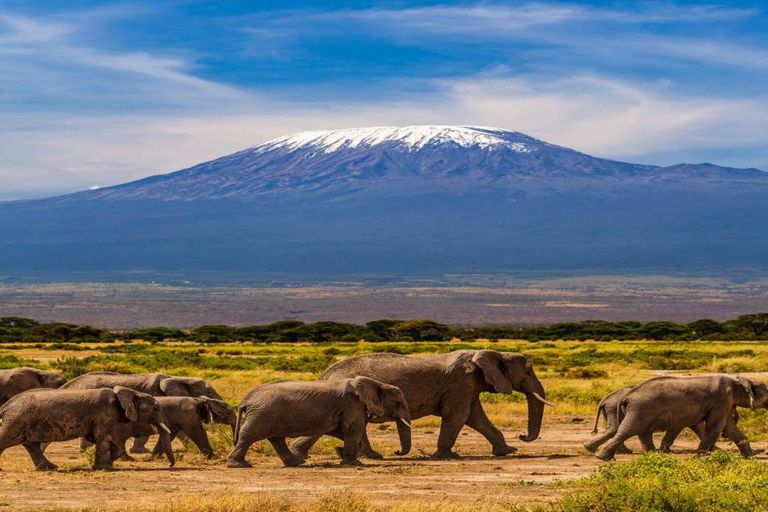
Kenya offers safari experiences throughout the year, but conditions differ by region and season. Kenya Wildlife Service identifies July to October and January to March as generally favourable periods for wildlife viewing in many parks, while the long rains commonly affect travel conditions from around April to June. These are broad guidelines, not guarantees of weather or sightings.
- July to October: A popular period for classic savannah safaris and the possible arrival of migrating herds in the Maasai Mara.
- January to March: Often a useful window for dry weather game viewing in many areas.
- April to June: Greener landscapes and potentially quieter travel periods, but rain can affect road conditions and logistics.
- November to December: Conditions vary, with short rains in some regions and busy holiday periods around the festive season.
If your main goal is the Great Wildebeest Migration, tell us your preferred month. We can explain what is typically expected and help you plan around the uncertainty of wildlife movements.
What to Know Before Flying from JFK to Nairobi
1. Check Kenya’s entry requirements
Before departure, check the official Kenyan Electronic Travel Authorisation (eTA) website to confirm the requirements that apply to your citizenship and circumstances. The official guidance says most foreign visitors need an approved eTA before travelling, with specified exemptions. Requirements can change, so use the government portal rather than relying on an old blog post.
2. Confirm flight details and baggage rules
Check your exact flight dates, baggage allowance, connection times and arrival airport with your airline. If you have a domestic flight or road transfer after landing, allow enough time for immigration, baggage collection and the journey between airports or terminals if required.
3. Plan your airport transfer
Arrange how you will get from Jomo Kenyatta International Airport to your hotel or safari departure point. Confirm the pickup details, driver contact and meeting location before travelling.
4. Pack for both the savannah and the city
Light, comfortable clothing, a warmer layer for early morning game drives, sun protection, comfortable footwear and any personal medication are useful starting points. Your final packing list should reflect your itinerary, season, accommodation and luggage limits.
Why Plan Your Safari with Plentiful Adventures?
A long haul trip is easier to enjoy when the safari arrangements are clear before you leave home. Our aim is to help you build an itinerary around the experiences that matter to you.
- Safari planning around your dates: Discuss the length of your holiday, destinations and preferred pace.
- Choice of experiences: Consider classic wildlife safaris, family travel, private itineraries or a safari and beach combination, subject to availability.
- Practical arrival planning: Coordinate your Nairobi arrival with transfers and the first day of your safari.
- Clear trip details: Request a written proposal with the accommodation, transport, activities, inclusions, exclusions and price confirmed before booking.
Any specific accommodation, transport, package inclusions or activities must be confirmed in your individual proposal.