
KenyaLuxury Safari
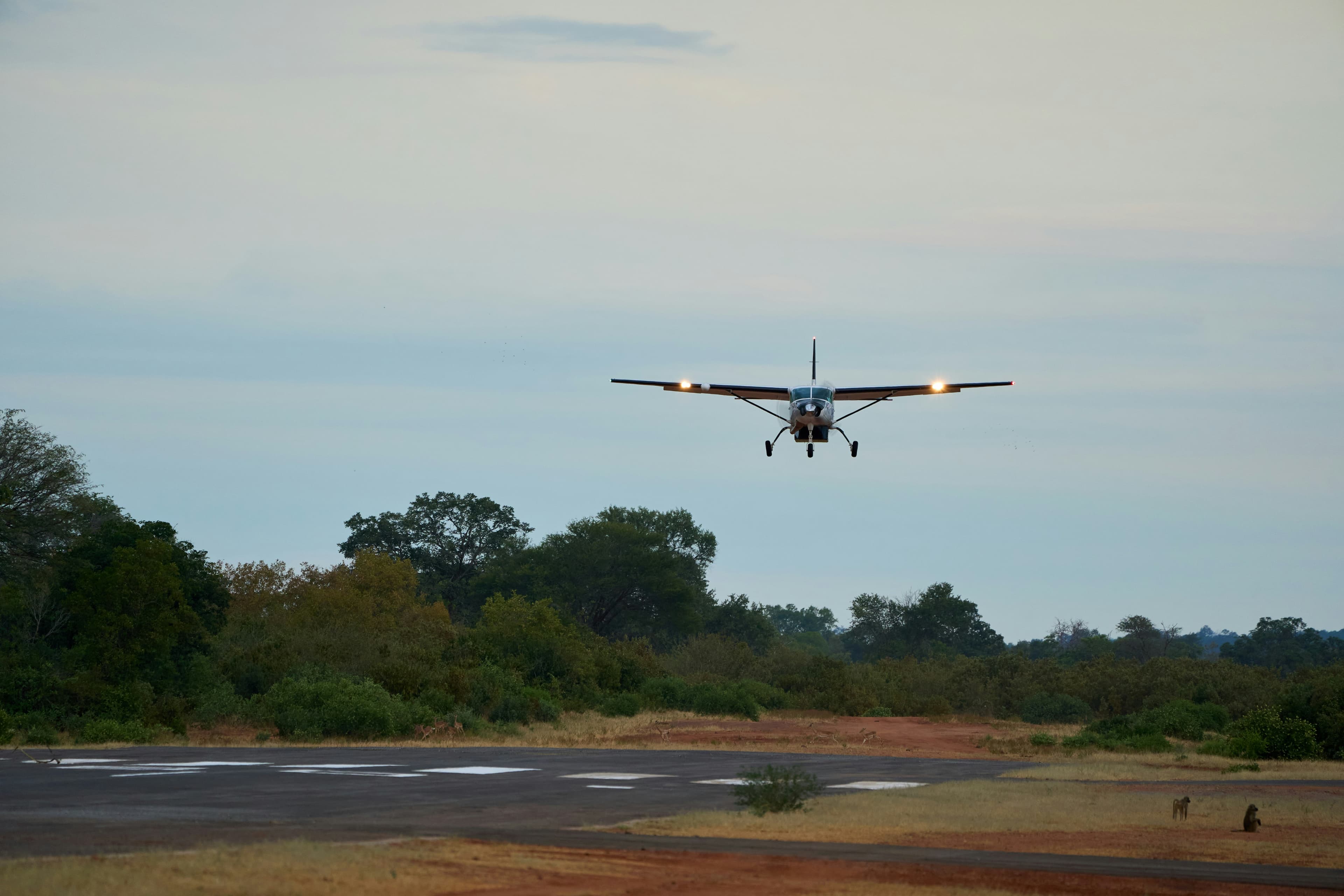
3 Days / 2 Nights Laikipia and Nanyuki Conservancy Fly-in Safari from Nairobi
Fly north and begin with a conservancy activity. Full-day conservancy activities with flexible pacing.
From / person$2,050 pp
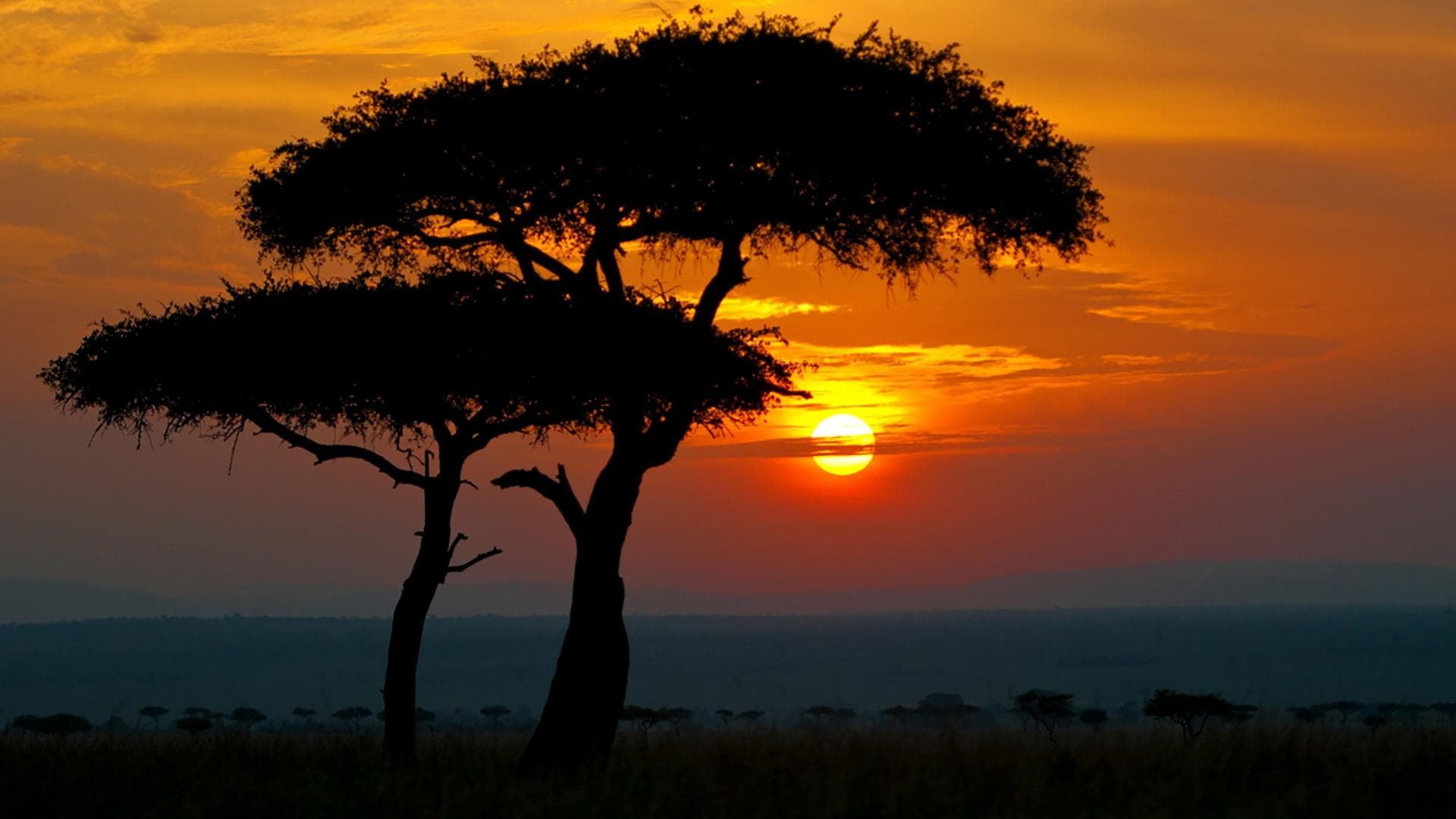
Kenya offers incredible wildlife viewing year-round, but timing your visit to match seasonal patterns can transform a great safari into an extraordinary one. Here is your complete month-by-month guide.
Quick Answer
The best time to visit Kenya for safari is during the dry season from July to October, when the Great Migration reaches the Maasai Mara and wildlife concentrates around water sources. January to March is another excellent window with clear skies, fewer crowds, and lower prices. Budget travellers benefit most from the green season (April–June) when rates drop 30–40%.
Last updated:
This is Kenya's premier safari season. The Great Migration brings over 1.5 million wildebeest and hundreds of thousands of zebra into the Maasai Mara. Dry conditions concentrate wildlife around water sources, making game viewing exceptional. Expect warm days (22-28°C) and cool nights.
Another excellent window for safari. Amboseli offers stunning views of Kilimanjaro with large elephant herds. Samburu's unique species (Grevy's zebra, reticulated giraffe, gerenuk) are easier to spot. Calving season in the Serengeti (Tanzania) pairs well with a combined itinerary.
The long rains transform Kenya's landscapes into lush, green expanses. Fewer visitors mean lower prices and more private game drives. Photography is stunning with dramatic skies and green backdrops. Some roads may be challenging, but most major parks remain accessible.
A brief rainy period that brings fresh green shoots and migrant birds. The Mara is quieter as the migration moves south. Laikipia and Samburu remain excellent. December holidays bring a brief peak in demand.
Recommended
Fly north and begin with a conservancy activity. Full-day conservancy activities with flexible pacing.
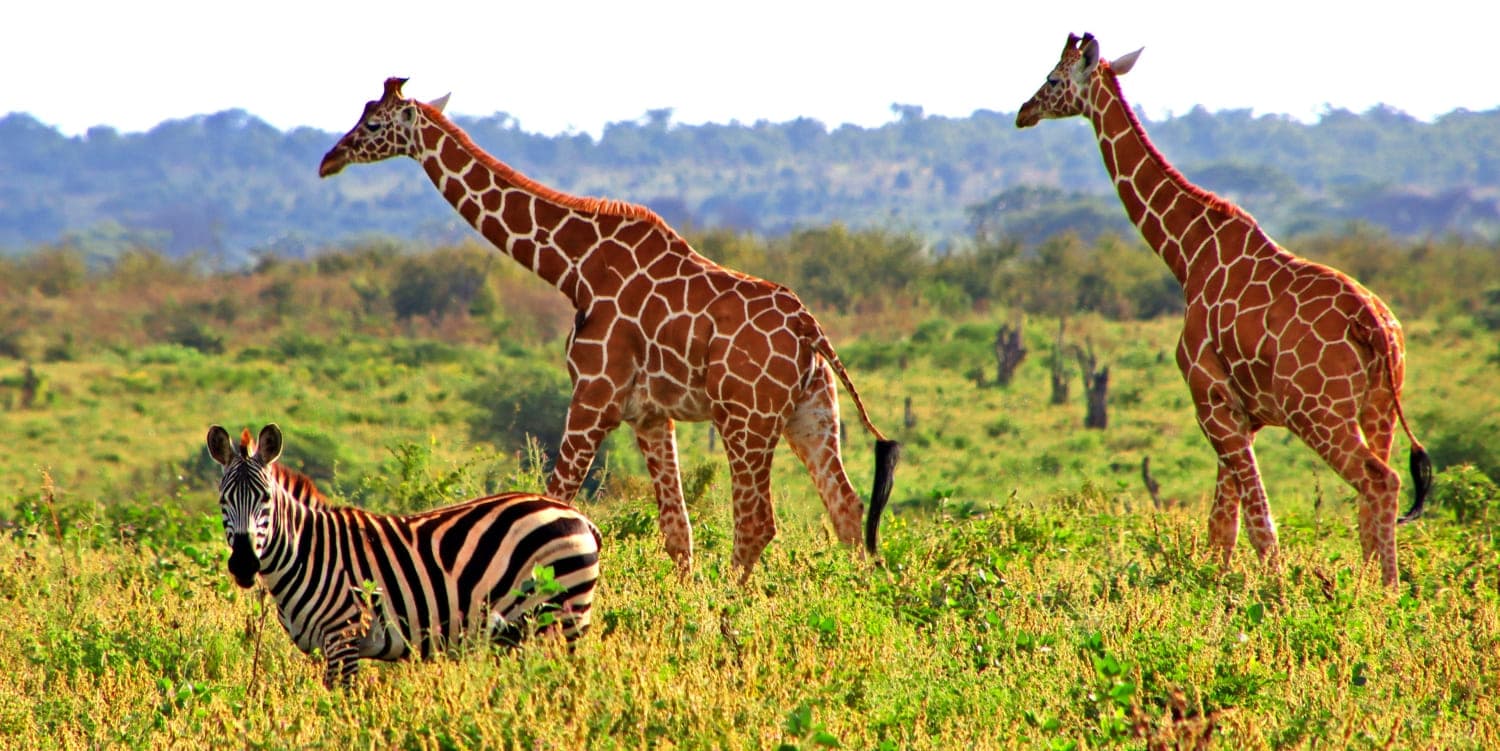
Fly to Meru and begin with an afternoon game drive. Morning and afternoon drives in Meru landscapes.
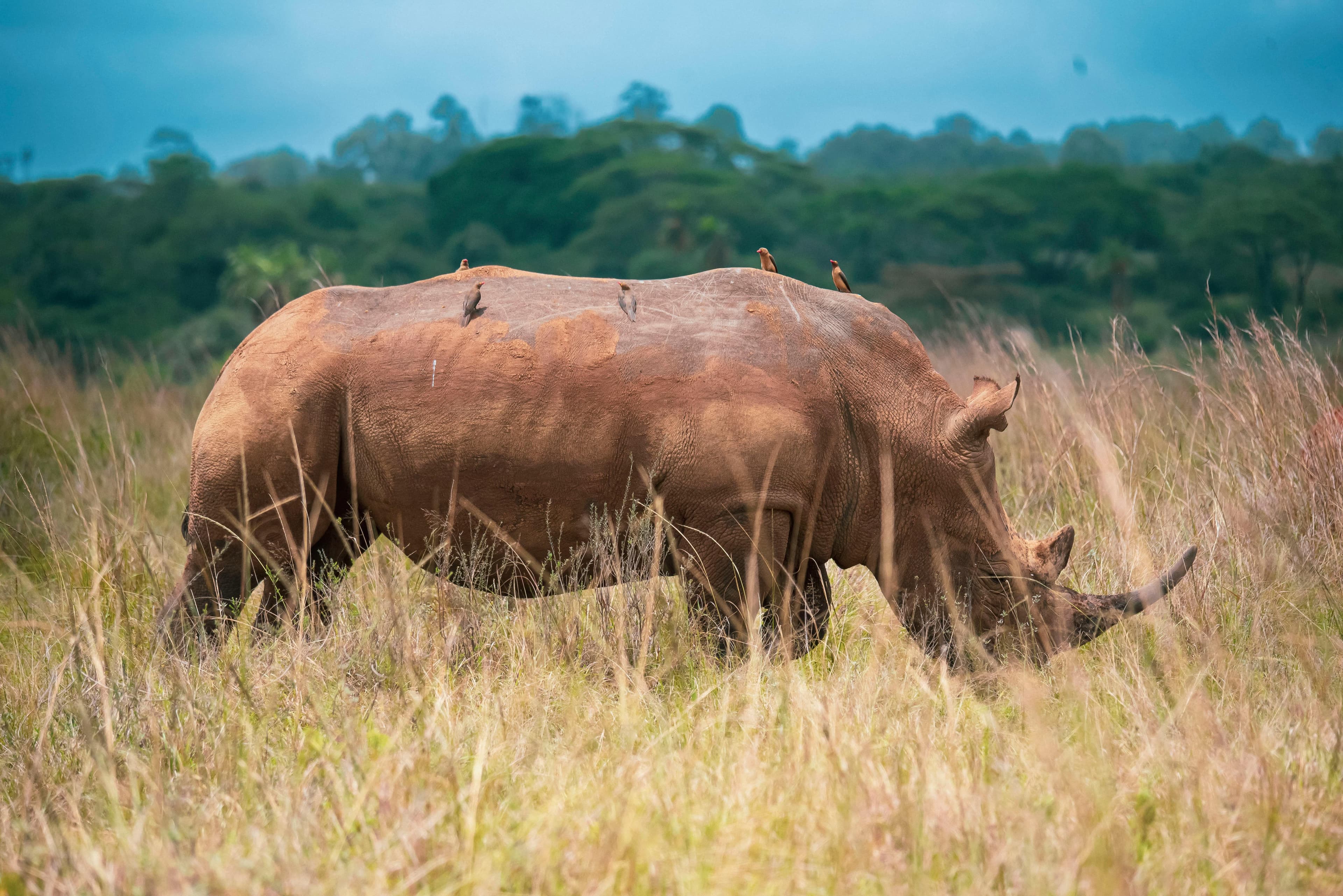
Fly north to Loisaba and begin with an afternoon game drive. Game drives with optional guided activities.
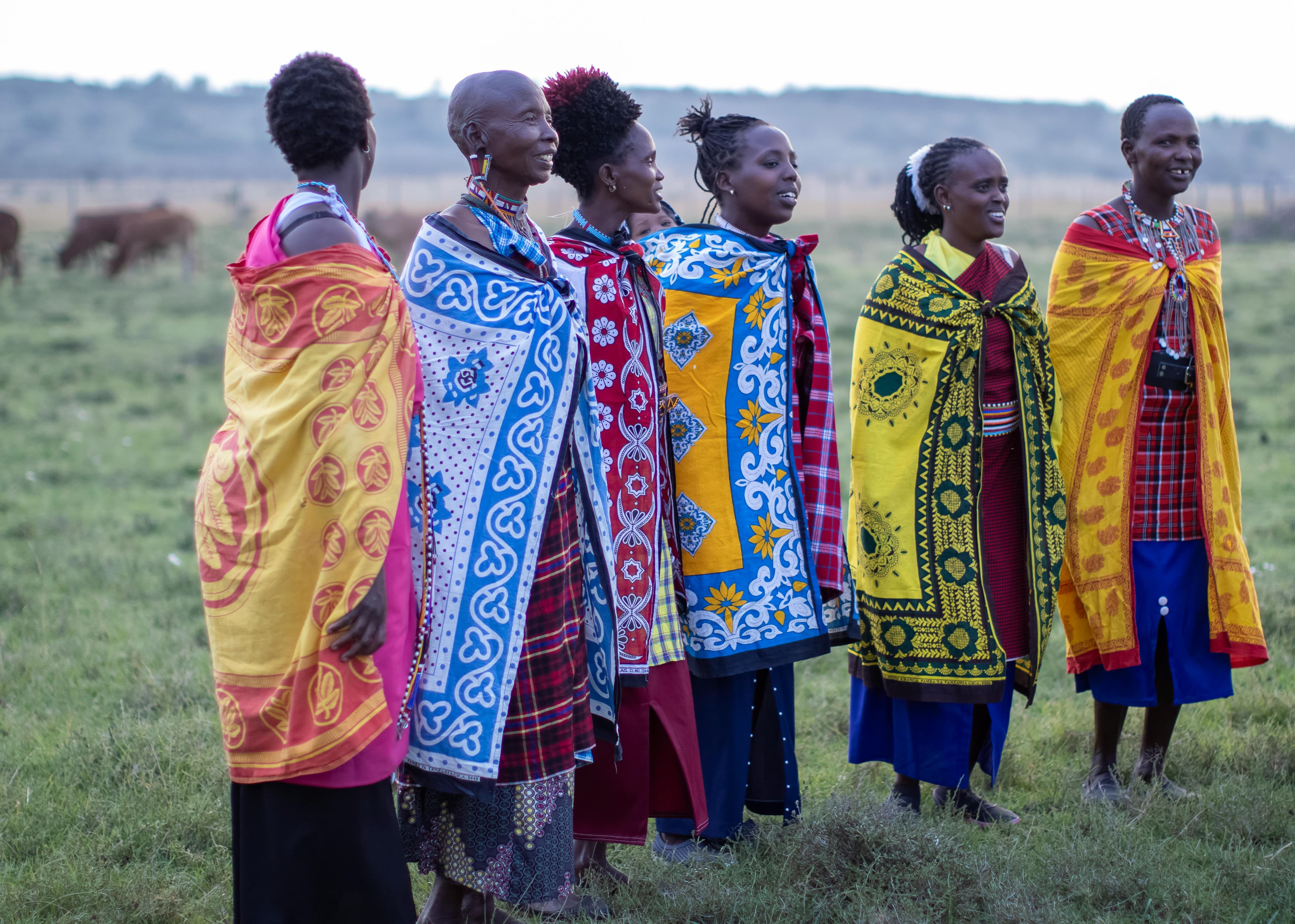
Fly to Mara and begin with an afternoon luxury game drive. Full game-viewing day with private pacing.
Tell us your preferred dates and interests, and our Nairobi-based team will craft a personalized itinerary with the best seasonal recommendations.
Before You Book
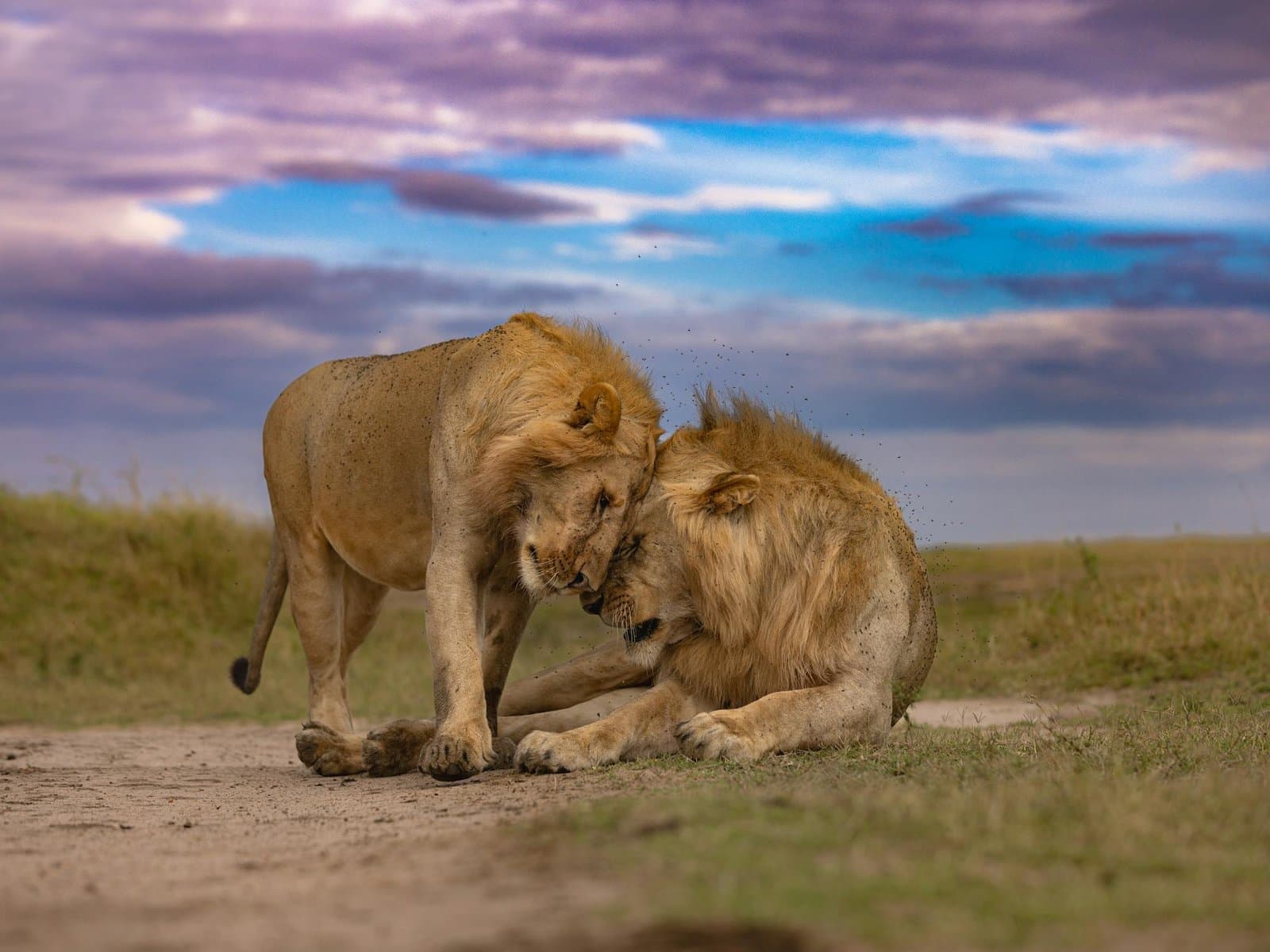
MAASAI MARA NATIONAL RESERVE FEES 2024 & 2025 Introduction:Maasai Mara Entry Fees. Welcome to the heart of East Africa’s wilderness, where the Maasai Mara National Reserve…
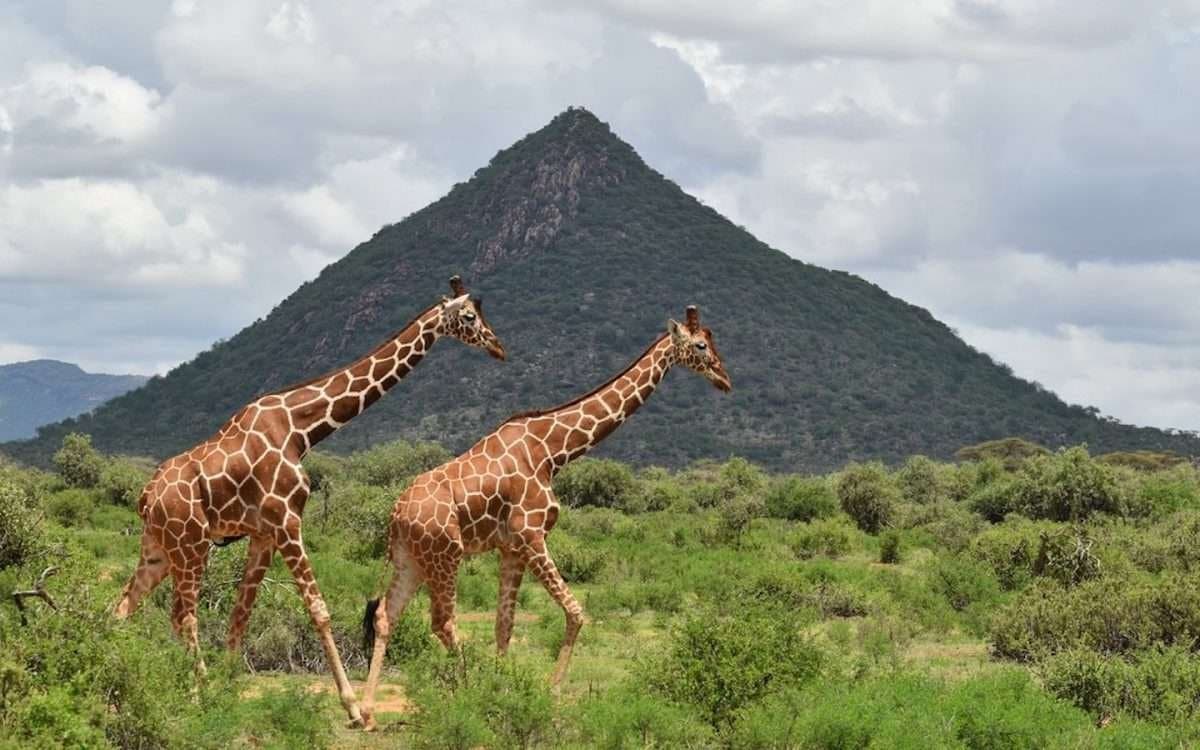
Kenya’s Top Safari Destinations. Quick Highlights Kenya’s Top Safari Destinations. Brief Overview of Kenya’s Rich Biodiversity Importance of Safaris in Kenya’s Tourism…
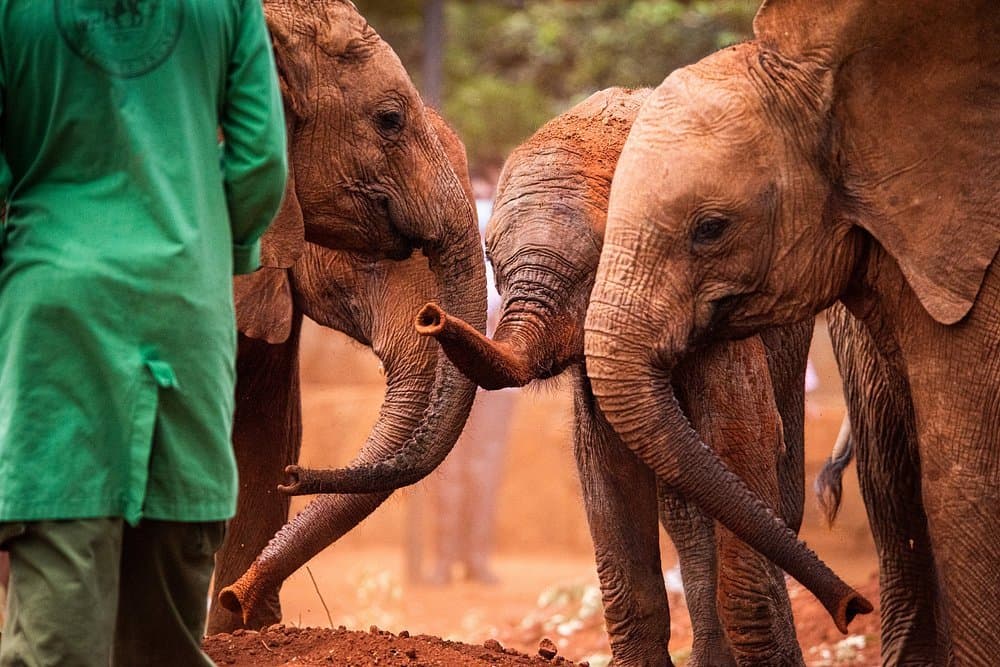
Conservation Strategies for Endangered Species Quick Highlights Conservation Strategies for Endangered Species Understanding Endangered Species Definition and Criteria…
Explore More

Self-drive options, Cape Town to Kruger. Africa's most accessible safari.
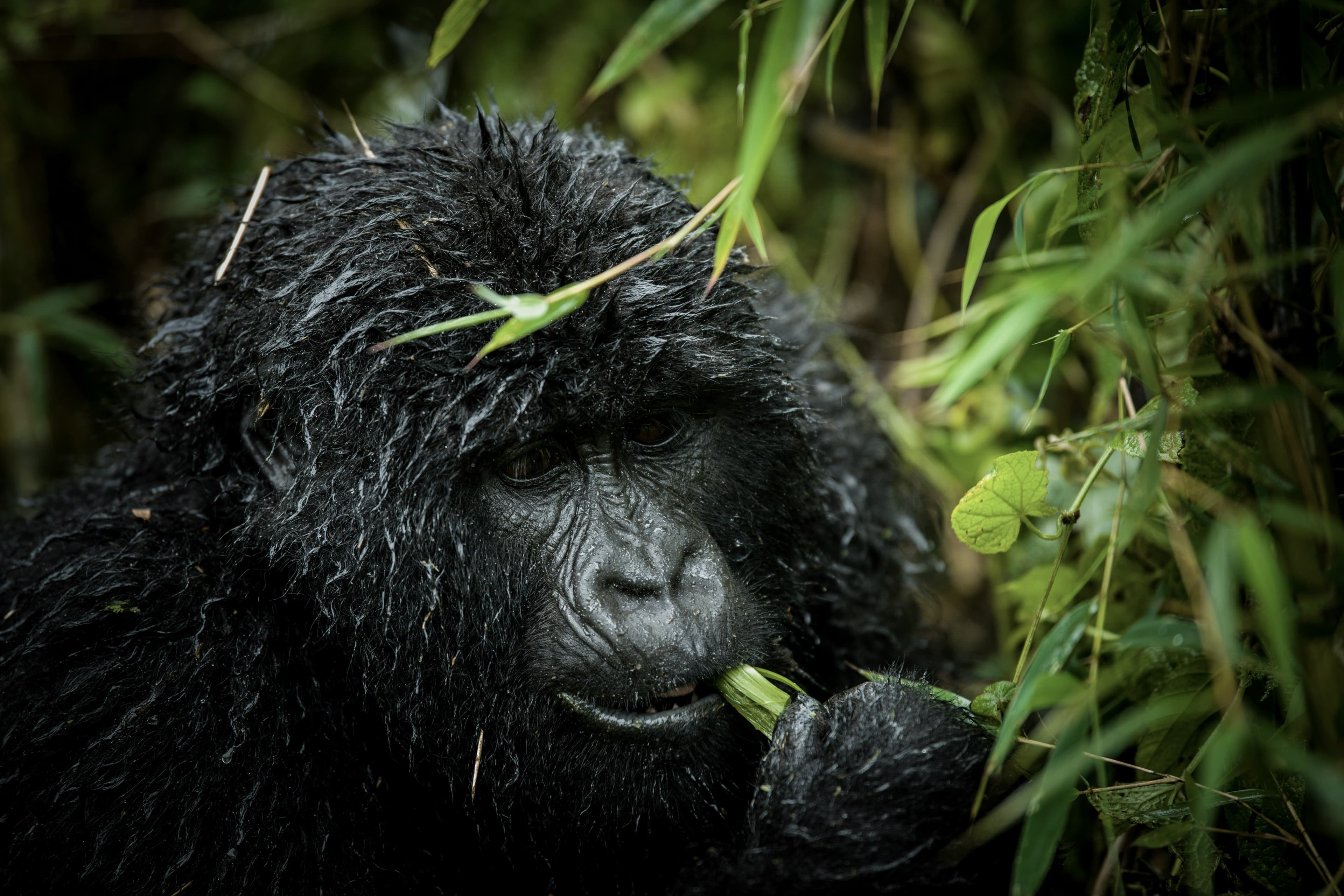
Intimate gorilla encounters, 2 hours from Kigali. Compact and powerful.
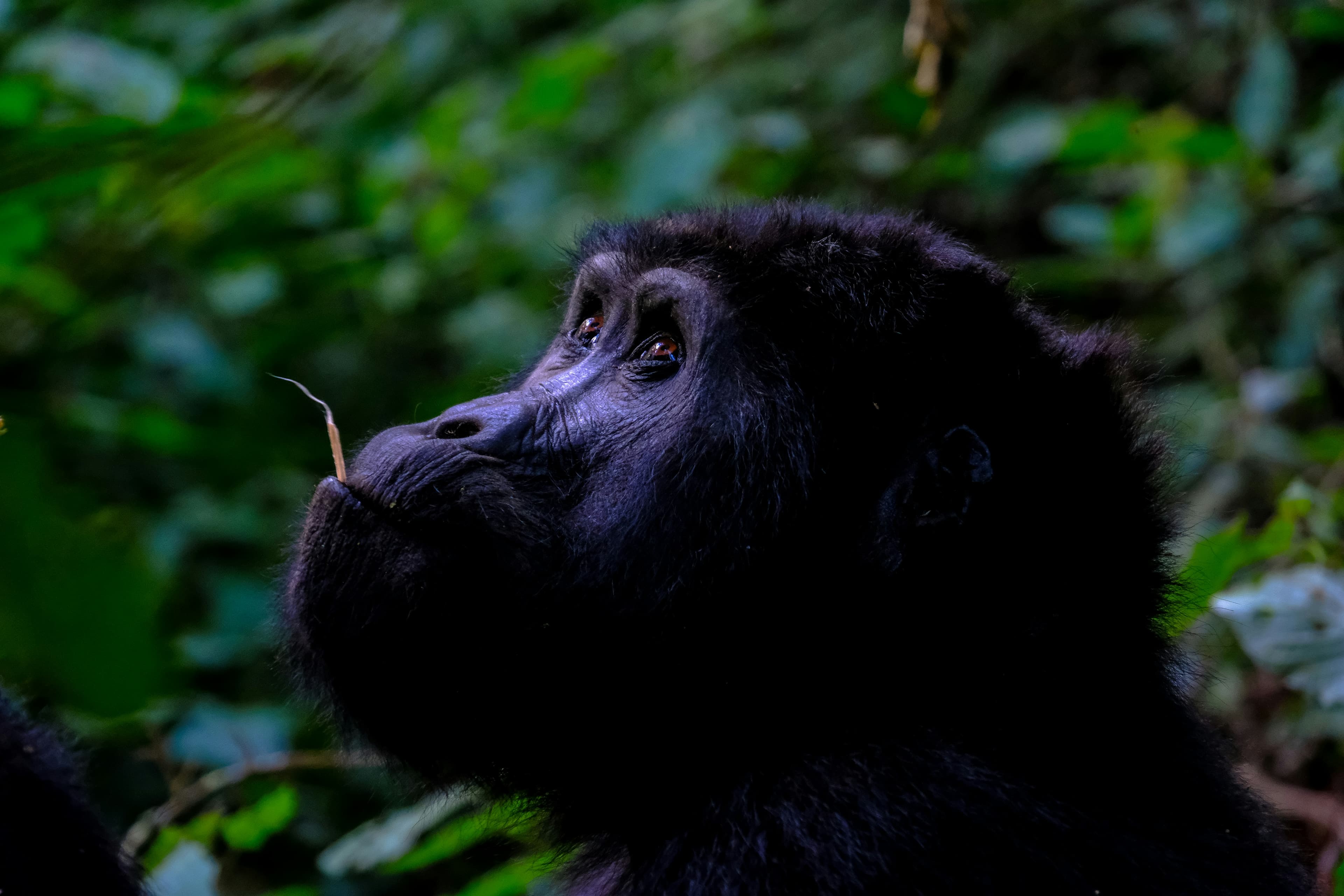
Mountain gorilla trekking in misty forests. Africa's best-kept secret.

Serengeti plains meets Zanzibar beaches. Safari and island escape in one trip.